Hey readers,
It's Bryan Walsh here. Sports betting has become so ubiquitous and so massive in the US that it can be difficult to remember that at the start of 2018, it was only legal in four states, and only in Nevada could you bet on individual games. All that changed in May of that year, when the Supreme Court struck down the federal law that barred most forms of sports gambling. Since then, the legal sports gambling industry has spread to 38 states plus Washington, DC, with revenues of nearly $14 billion in 2024, much of which has come from burgeoning and highly addictive mobile apps like DraftKings and FanDuel. The reason why sports betting was off-limits for so long was because of concerns that the sheer money involved could lead to scandals that would call into question the integrity of sports games. Well, guess what? On Thursday, as part of a joint federal, state, and city investigation, the FBI announced at a Brooklyn press conference indictments of three current and former NBA players — including one well-known coach who's in the Hall of Fame — for alleged involvement in apparent Mafia-driven theft, fraud, and robbery schemes that include detailed bets involving inside information…which calls into question the integrity of NBA games. And just in time for the start of the NBA season this week. |
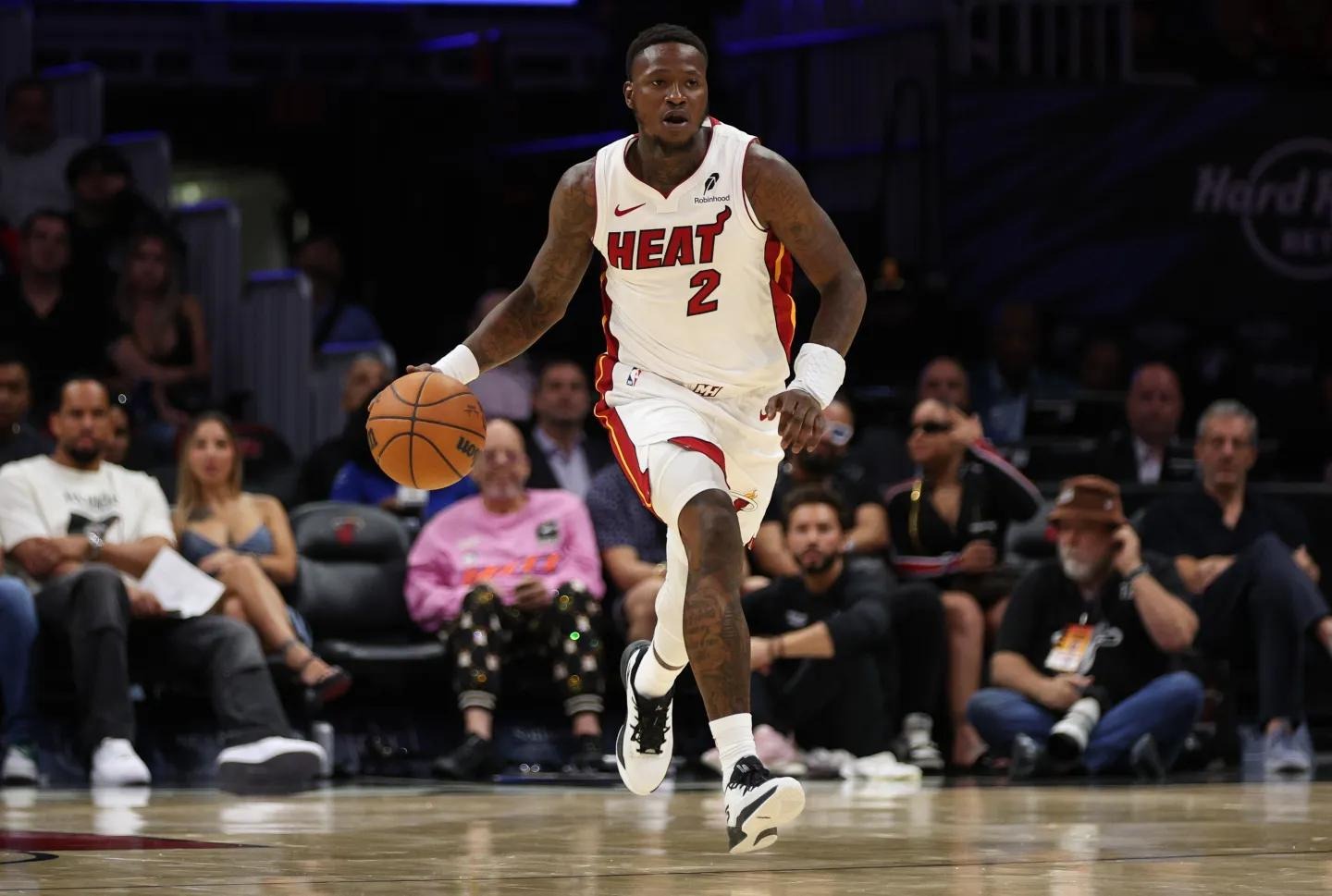
Terry Rozier was one of several current and former NBA players indicted Thursday in a gambling scheme. |Tomas Diniz Santos/Getty Images |
Place your bets The indictments are only the latest betting scandal to hit pro sports, but it is shaping up to be by far the worst, and may well implicate other players. Yet the only really surprising thing is that it took this long after the legalization of sports gambling for a scandal of this scale to finally break. And that inevitability has as much to do with how sports gambling works today as it does with the sheer number of dollars at stake. If you're not one of the estimated 20 or so percent of US adults who placed a sports bet last year or held an online betting account, you may not realize just how much legalization and digitization have changed gambling. Not only can gamblers place a bet easily through apps, but they can also make prop or micro bets that might mean thousands of dollars are riding on something as small as who makes the next shot in an NBA game. Micro bets heighten impulsivity and elevate the risk of problem gambling, and can open the door to damaging the integrity of the games themselves. While it's difficult to imagine any pro athlete actively colluding with criminals to alter the outcome of a game, 1919 Chicago Black Sox-style, pulling yourself out of a game early with a feigned injury or simply missing the next shot isn't too hard to do. Among the charges in this week's indictment was that Miami Heat guard Terry Rozier told gamblers in advance that he would leave a game early, allowing them to make hundreds of thousands of dollars from inside prop bets. An absence of integrity Crooked sports bets don't have to become widespread for fans to start questioning the integrity of games across the board. Which is precisely why pro sports leagues used to be squarely against legalized sports betting, so much so that all four major leagues and the NCAA jointly sued New Jersey in 2012 to stop that state's push to legalize sports gambling, which in turn ultimately led to the Supreme Court decision that allowed states to decide on legalization for themselves. Once the Supreme Court had made its decision, though, the possibility of earning billions off legalized gambling proved more than enough to convince pro sports leagues not just to drop their opposition, but to start wholeheartedly embracing the betting industry. Every major sports league has an official betting partner; individual teams have their own deals, and some have even put betting lounges in their stadiums. Betting lines are a major part of sports media now, which might not even exist without the utterly ubiquitous gambling ads that surround every broadcast. Legalized sports gambling has come with other costs, not least the growing social and financial cost of problem gambling — one paper linked reduced household savings and worse credit to gambling legalization, while calls to problem gambling hotlines have spiked. The Supreme Court made its 2018 decision for dry, technical reasons — something about how it was unlawful for federal legislation to dictate to state legislatures what they could or couldn't authorize. But whether you're a sports bettor or a sports fan, that decision — paired with the simultaneous growth of mobile apps that remove all the friction from gambling — has changed American society enormously. And Thursday's indictments indicate that we're only just beginning to see the consequences. |
|
|
| Bryan Walsh Senior editorial director |
|
|
| Bryan Walsh Senior editorial director |
|
|
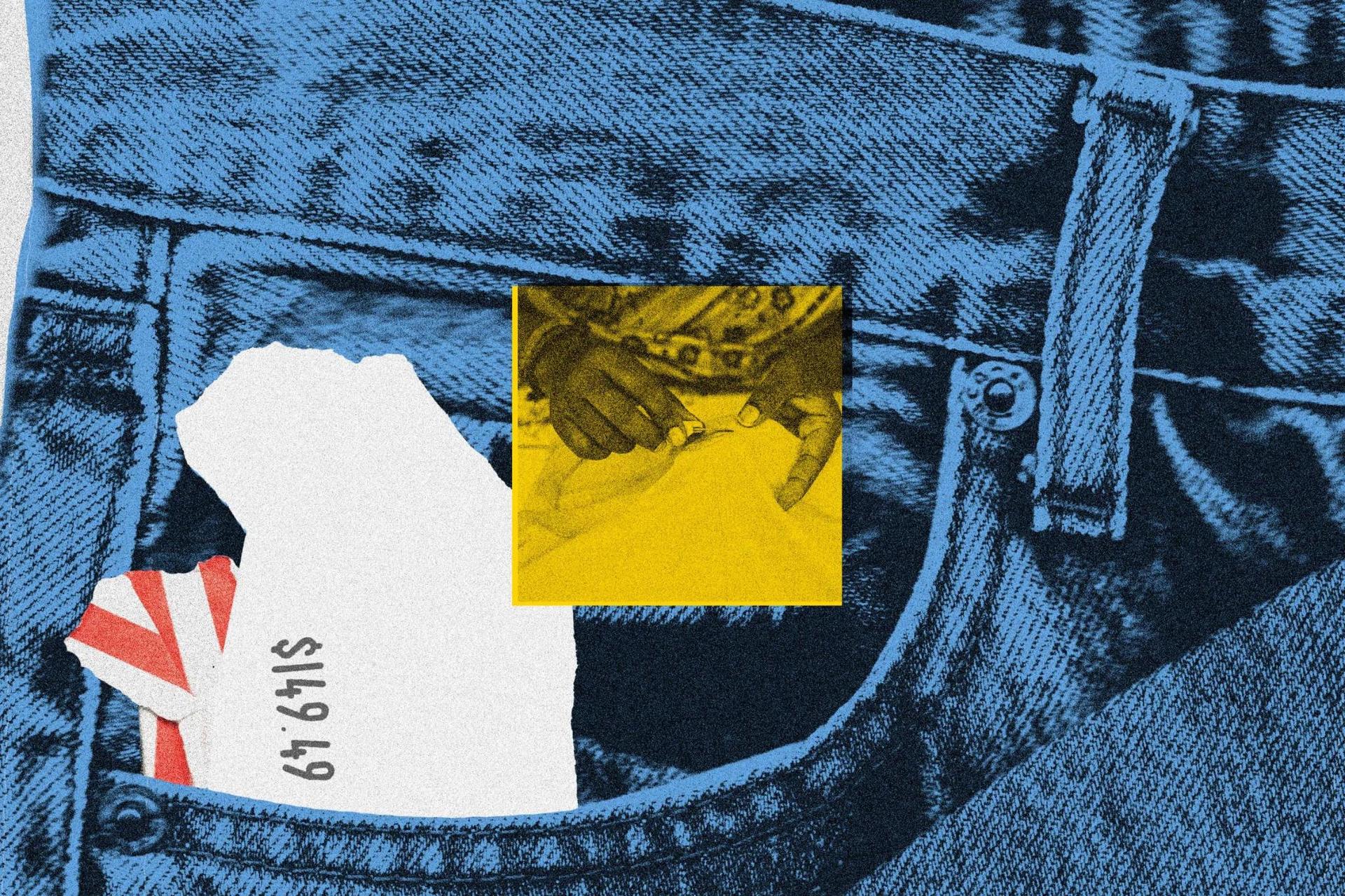
Fast fashion lifted some countries out of poverty. What happens when Americans stop buying? |
The overlooked impact of Trump's tariffs, explained. |
Last month, I rode down the famed gold-rimmed escalator into the basement of Trump Tower, whipped past the food court — Trump Pizza, Trump Sweets, and Trump Grill — and made a beeline straight for the president's gift shop. There, at the Trump Store, I took a peek at every tag. Made in Vietnam. Made in El Salvador. Made in Cambodia. Made in Taiwan. Even the president, who has wielded tariffs like a toddler with a baseball bat, slamming poorer nations with a mercurial and often vindictive force, rarely gets his golf polos made in the USA. It's easy to forget about the marvel of modern supply chains, the fact that just about everything is from somewhere far away. Yet for the hundreds of millions of people that stitch our fast fashion and pluck our coffee beans, the US market is a literal lifeline. Our collective shopaholism has helped fuel an often fraught growth that has catapulted countries like Vietnam into the global middle class. I wrote this piece because I wanted to understand the impact of tariffs on development in poor countries, where, in some cases, trade has been a key factor in demolishing extreme poverty. So what happens when America stops buying? —Sara Herschander, Future Perfect fellow |
|
|
CAN'T STOP THINKING ABOUT... |
|
|
| Title: Deputy editor
What I cover: Factory farming, the future of food, the future of cities, meta-science, and whatever else I want!
Favorite high-protein product: I don't use protein powder and don't think any protein supplements are necessary, really. But I LOVE these bars for the taste more than anything — they're like eating a crispy chocolate bar with barely any of the sugar. |
|
|
Between MAHA, the protein craze, and cow's milk apparently being cool again, we are well and truly in an anti-vegan vibe shift. I didn't really think it could get worse. But then, last week a Consumer Reports investigation emerged claiming that plant-based protein powders are dangerously high in lead compared to their animal-based counterparts — and I don't know whether absolutely everyone is chugging protein shakes now or what, but I am hardly exaggerating when I say that more than half the country saw this story within five minutes. I heard random people talking about it on the bus and at the doctor's office. What's frustrating about that report, as contributing writer Jan Dutkiewicz so effectively breaks down in this new piece for Future Perfect, is that it uses a lead safety threshold established by California's Prop 65. And that, Jan writes, is "an unachievable safety target, significantly below the lead you get from average daily food consumption." One dietician told him: "You literally can't eat food from the Earth if you want to achieve this." So, plant-based protein powders, as Jan explains, are fine (though you don't need protein supplements to maximize your gains). And if you know anything about the horrors behind where whey protein powder comes from (the dairy industry), you know that's very, very good news. |
|
|
⭐ ONE WAY TO DO GOOD THIS WEEK |
On Monday, the UK's Channel 4 aired a documentary about how AI is disrupting the British workforce. Spoilers: Will AI Take My Job? ends with a predictable twist. The program's anchor reveals that she is entirely AI-generated, an object lesson in how AI can automate jobs previously performed only by humans. Are you worried about AI taking your job? You're not alone. A Pew Research Center poll from February found that 52 percent of Americans are worried about how AI will change the workforce, and only 6 percent think AI use in the workplace will lead to more jobs in the long run. Low- and middle-income workers are more worried about a loss of future opportunities than their higher-income counterparts. According to a recent analysis by the National Science Foundation and Gerald Huff Fund for Humanity, a nonprofit that advocates for universal basic income (UBI), AI is set to disrupt one in four US jobs by 2028. That's 45 million jobs, and one of them could very well be yours. "It's going to be a time of some pretty significant upheaval if we don't figure out how to make sure people can still have a roof over their heads and food in their bellies," Stacey Rutland, the founder and president of the Income Movement, which also advocates for basic income, told me. Pilot studies suggest that basic income is promising for improving economic security and physical and mental well-being, and providing workers more autonomy to leave exploitative jobs or start businesses of their own. The Income Movement is fighting for ethical AI and protections for the public in the form of UBI as more and more jobs are displaced. You can donate, contact your representatives, or volunteer with the group to help protect workers from AI job disruptions. —Shayna Korol, Future Perfect fellow |
|
|
Want more Future Perfect in your inbox? Sign up for more newsletters here. Need advice? Submit a question to Sigal Samuels's advice column Your Mileage May Vary. |
|
|
Today's edition was edited and produced by Marina Bolotnikova. We'll see you Wednesday! |
|
|
|





Commentaires
Enregistrer un commentaire
Thank you to leave a comment on my site