Fermented pu-erh teas, roasted teas, and fully oxidized teas are often chosen during the fall. ͏ ͏ ͏ ͏ ͏ ͏ ͏ ͏ ͏ ͏ ͏ ͏ ͏ ͏ ͏ ͏ ͏ ͏ ͏ ͏ ͏ ͏ ͏ ͏ ͏ ͏ ͏ ͏ ͏ ͏ ͏ ͏ ͏ ͏ ͏ ͏ ͏ ͏ ͏ ͏ ͏ ͏ ͏ ͏ ͏ ͏ ͏ ͏ ͏ ͏ ͏ ͏ ͏ ͏ ͏ ͏ ͏ ͏ ͏ ͏ ͏ ͏ ͏ ͏ ͏ ͏ ͏ ͏ ͏ ͏ ͏ ͏ ͏ ͏ ͏ ͏ ͏ ͏ ͏ ͏ ͏ ͏ ͏ ͏ ͏ ͏ ͏ ͏ ͏ ͏ ͏ ͏ ͏ ͏ ͏ ͏ ͏ ͏ ͏ ͏ ͏ ͏ ͏ ͏ ͏ ͏ ͏ ͏ ͏ ͏ ͏ ͏ ͏ ͏ ͏ ͏ ͏ ͏ ͏ ͏ ͏ ͏ ͏ ͏ ͏ ͏ ͏ ͏ ͏ ͏ ͏ ͏ ͏ ͏ ͏ ͏ ͏ ͏ ͏ ͏ ͏ ͏ ͏ ͏ ͏ ͏ ͏ ͏ ͏ ͏

Fermented pu-erh teas, roasted teas, and fully oxidized teas are often chosen during the fall. View in your browser. | | | | |
FREE SHIPPING ON ORDERS OVER $59 |
|
| | |
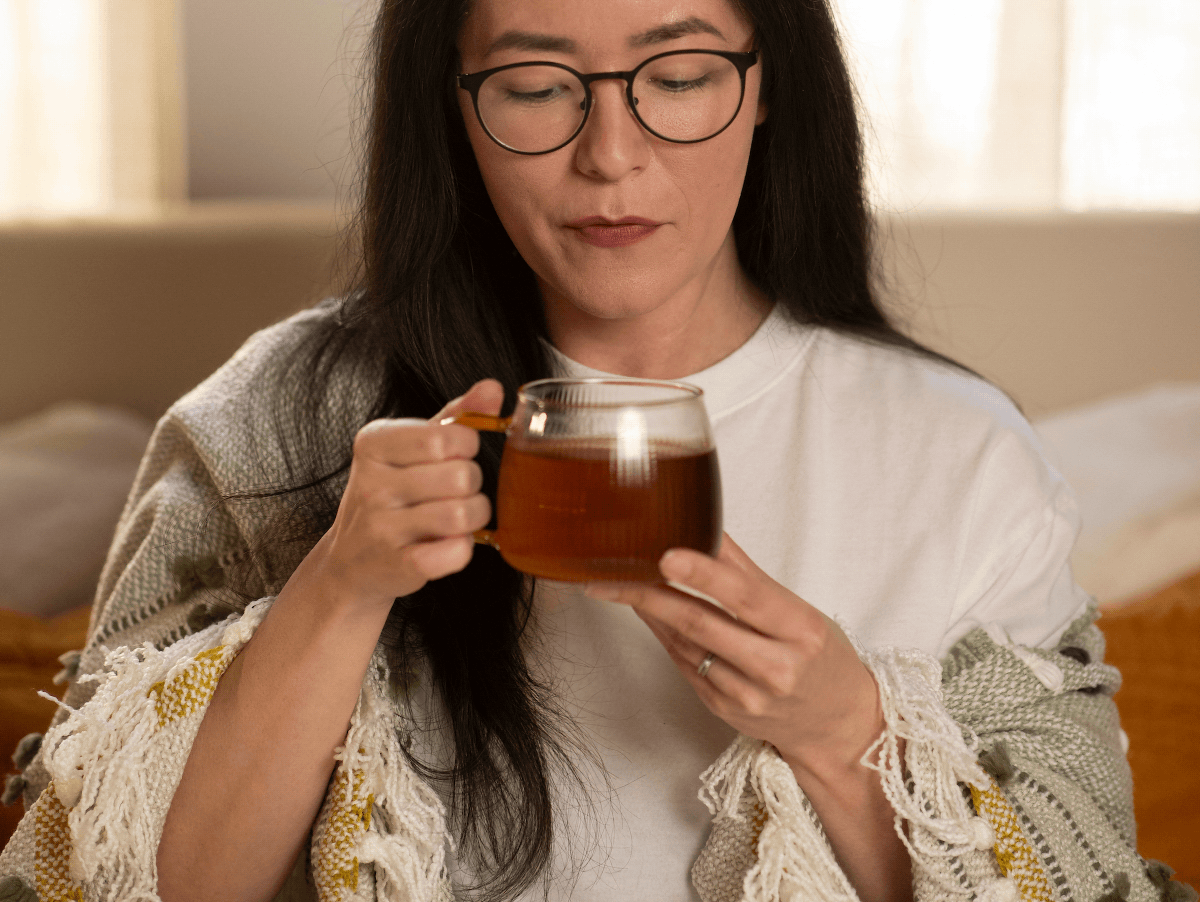
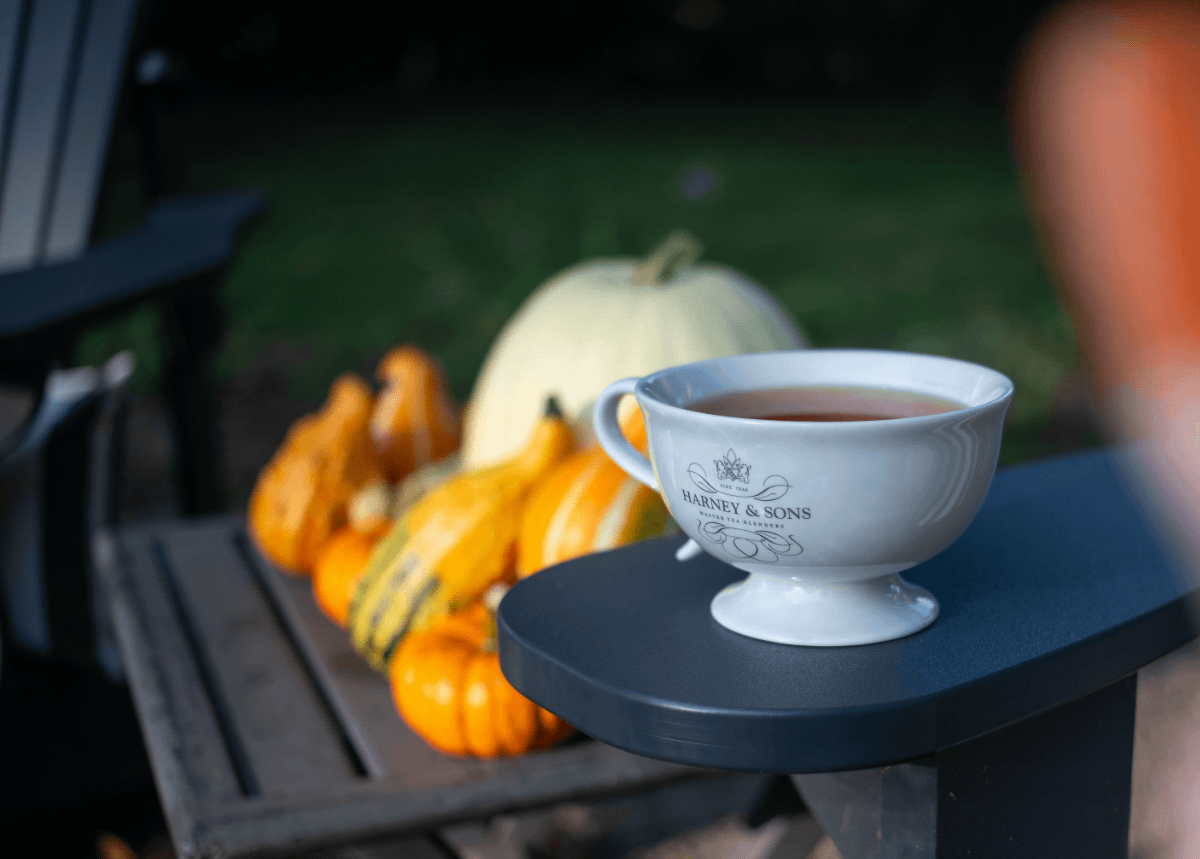
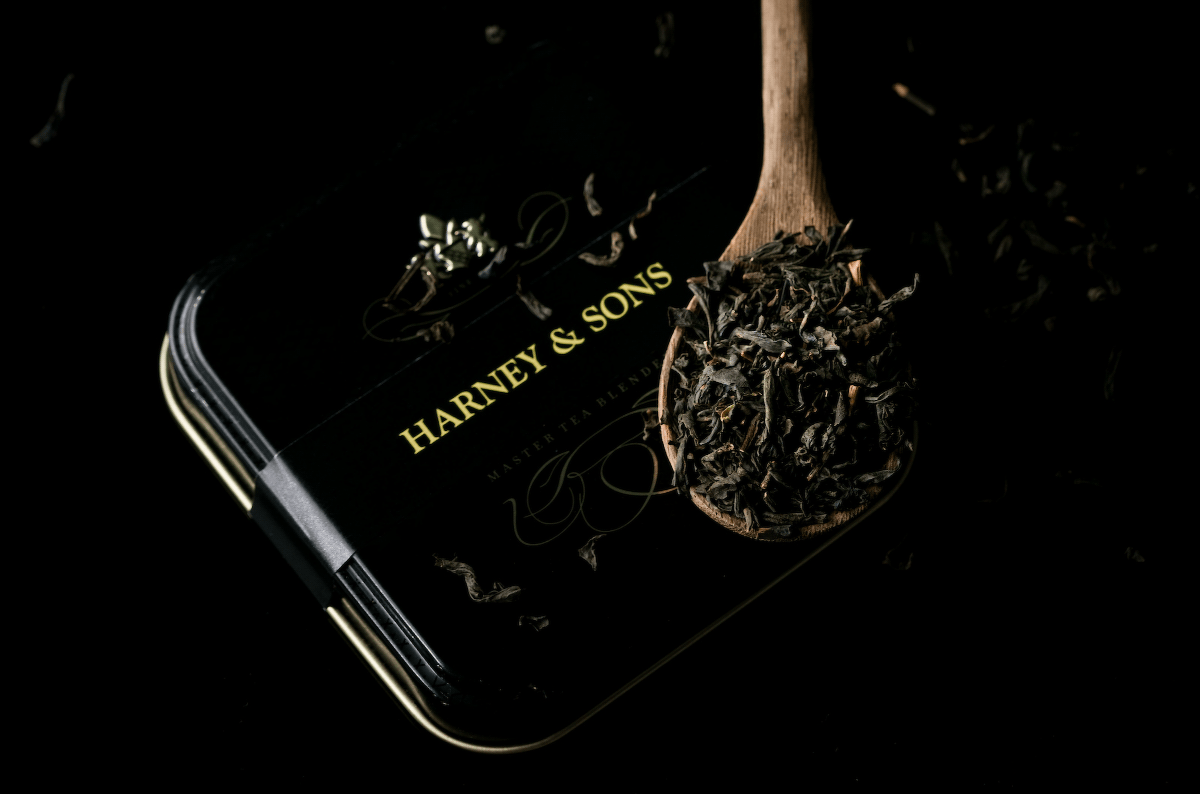
Tea Culture Spotlight Warming Teas for Autumn in China As autumn settles in, tea traditions around the world shift right along with the weather. In China, cooler air and heartier meals signal the perfect time to move from light, spring-like brews to deeper, richer, and more "warming" brews. Instead of delicate spring greens, autumn invites cups with body, comfort, and staying power. Fermented pu-erh teas, roasted teas, and fully oxidized teas are often chosen during the fall and winter seasons, as their warming qualities bring a sense of comfort and balance from the inside out. These teas aren't chosen only for flavor. In Chinese tea culture, they are valued for how they feel in the body. Their deeper flavors, often characterized as earthy, toasty, caramelized, mineral, or lightly smoky, feel instantly grounding, like swapping linen for wool. | | "Around here, we always encourage learning about why cultures reach for certain teas at certain times. That said, the joy of tea is that you can drink what you love whenever you like! There are no rules you must obey, only pleasures you may discover. Here's to both." —Mike | | Pu-erh, a fermented tea aged over time, is traditionally enjoyed after heavier meals in the fall because it is believed to aid digestion and help the body metabolize richness. Roasted teas, on the other hand, are gently heated after production to coax out toasty, nutty, caramelized notes and tame any sharp edges, making them beautifully smooth and stomach-friendly. Fully oxidized teas, like classic Chinese black teas, naturally take on cocoa, malt, and dried-fruit depth during processing, making them perfect for colder weather even without additional roasting. Oxidation vs. Roasting Oxidation is a natural enzymatic browning of the leaf — like a sliced apple turning amber — that develops flavor while the tea is still fresh and pliable. Roasting happens after the tea is made and applies dry heat to lock in flavor, add toastiness, and soften the cup. | | Different processes, similar result for autumn: warmth in the cup, calm in the gut, and flavor that stands up to richer food and colder air. Across China, these deeper teas become the everyday choice for their grounding qualities, their digestive ease, and the simple pleasure of sipping something cozy and steady as the season slows down. If you'd like to taste why these teas become the go-to in autumn, explore warming teas like pu-erhs, roasted teas, and richly oxidized brews. Any of these delightful brews can be a seasonal companion in your cup. | | Warm Up With A Cup Teas for Autumn | | | | |
Savings and special offers may not be applied to prior purchases. Items marked down in the sale collection are not eligible for returns, refunds or exchanges. Promotions exclude sample sizes. Discounts cannot be combined. Discounts cannot be used for gift cards unless specifically marked. Coupons exclude custom gift wrap, mystery bundles, gift cards and subscriptions unless otherwise noted. Only one coupon may be applied per order. Loyalty store credit cannot be redeemed for subscriptions; however, subscriptions do earn loyalty store credit. Store credit earned expires 24 months after issuance. Copyright © 2025 Harney & Sons Fine Teas, all rights reserved. We send special offers & news to valued customers who have opted in at www.harney.com. Harney & Sons Fine Teas 5723 Route 22 Millerton, NY 12546 | | | | |




Commentaires
Enregistrer un commentaire
Thank you to leave a comment on my site