 | | The Dispatch | | Nº142, February 2026 | | | In Partnership with Aesop | | Aesop offers carefully crafted formulations for the skin, hair, body and home in distinctive, comforting and functional stores — all catering to the five senses; each fitting harmoniously within its local context. Spatial poetics, a devotion to intelligent design and a focus on sourcing materials locally and ethically are paramount to the creation of each space. |  | | | Editor's Note | | Dear reader, Bill Bensley keeps a set of leather-clad dumbbells in his customised Volkswagen Caravelle. The mobile office, living room and gym that ferries him through Bangkok's notorious traffic is — much like Bill himself — charmingly eccentric yet practical, a design solution to the city's everyday grind. Why shouldn't we turn mind-numbing congestion into an opportunity to get the blood pumping? I spotted this unique set-up while catching up with the architect and designer at his Wonka-esque studio in Bangkok's heart. As we parted ways, Bill offered me his driver to take me to my next appointment. Not an unusual gesture in this part of the world, but a kind one nonetheless. It made me wonder where this instinct has gone in the broader business of hospitality, where everything seems to come with a bill to be signed and is more concerned with the former than the latter. I was in Bangkok to host a conversation on the legacy of Florence Knoll (pictured below) with our friends at MillerKnoll and Chanintr. We talked about the evergreen principles of designing spaces for life and work: how to bring pieces of furniture with heritage and history into an interior responsibly, and why design must account for the whole story — the hard and soft, the structural and the human. We returned, repeatedly, to the idea of designing for context, what Knoll called 'total design', where everything should be conceived in relation to its larger context. Too much of the design industry today works in isolation and is reactive and cosmetic. | | | Designing environments that people both relish and cherish requires optimism and adaptability, but most importantly empathy and care. You have to give a damn: about your colleagues, makers and builders, end users, and your literal and metaphorical neighbours. To do so, Bill advocates for getting off screens and paying attention to the world around you: by watching, reading and listening. To understand what works and what doesn't, you're going to need to actually show up — not just dial in. At Bill's studio, I shadowed him on an afternoon of MBWA (Management By Wandering Around), perhaps the simplest and most effective diagnostic tool available. Having visited countless studios, factories and headquarters of companies large and small, I've found the best measure of an organisation's culture is the number of smiles I spot. It's immediately clear whether people feel respected, trusted and have agency. Even in more studious workplaces, it's pretty obvious whether a team is performing happiness for a hovering manager or taking real pleasure in their work. It's difficult to fake camaraderie, and joy is infectious and obvious to visitors. Workplaces that achieve high smile scores are rewarded with long tenures, low turnover and a resulting sense of institutional choreography that only time can buy. As you plan the months ahead, I'd implore you to consider this a metric worth monitoring. All of us should ask, more often than we do, whether the places we shape, commission or write about actually bring pleasure to the people inside them — or whether they simply serve a company's bottom line or a set of hollow KPIs. If you're due for some real-world lessons in 'total design' (and of course great hospitality), find a window in your diary for 8–14 March. There are still a couple of places remaining on our fast-filling trip to Chandigarh. I'd love to have your company in the foothills of the Himalayas for eye-opening studio visits, good food and wine, enlightening conversation amongst new friends, and some real-world MBWA. Smiles guaranteed. Jeremy Smart
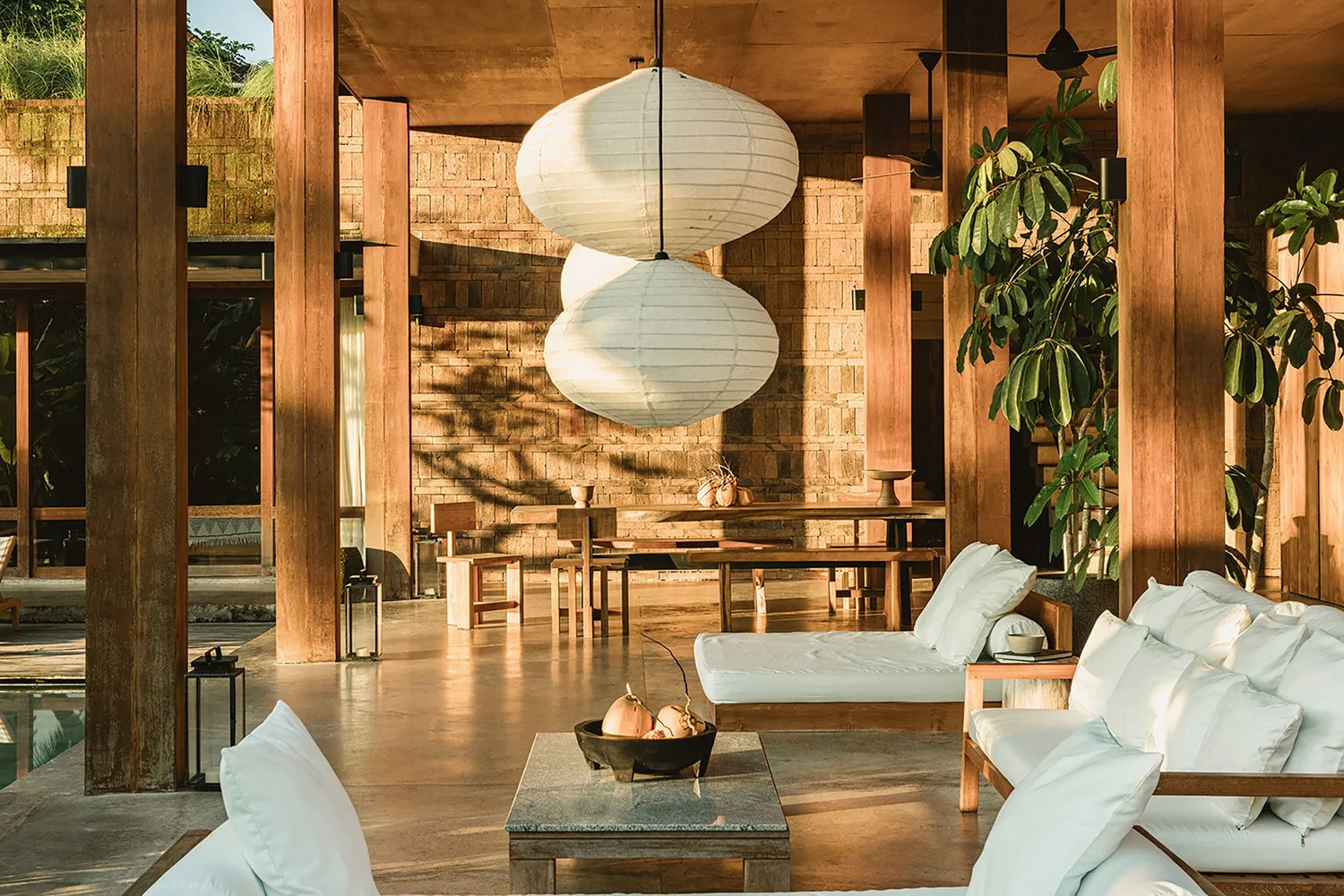
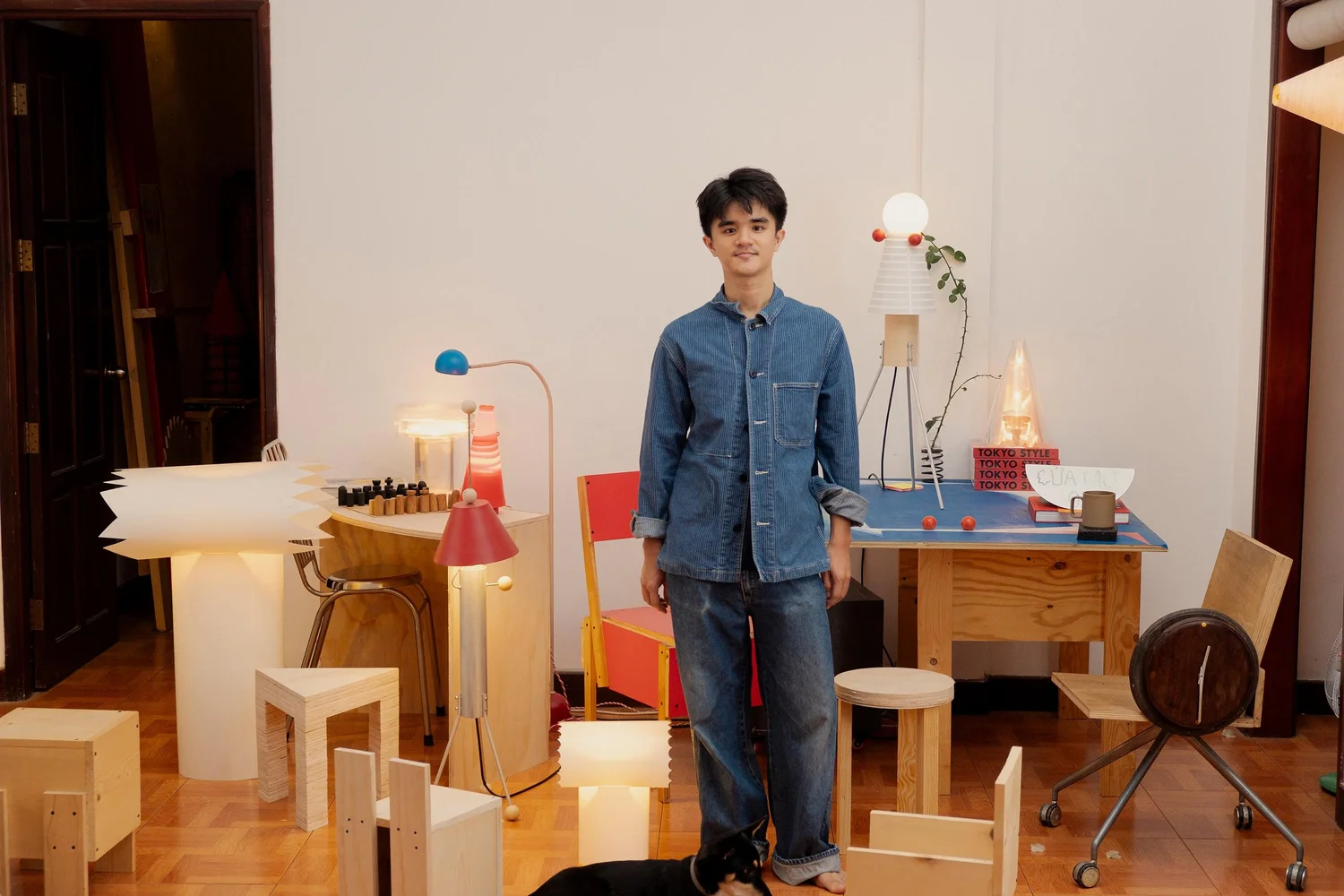
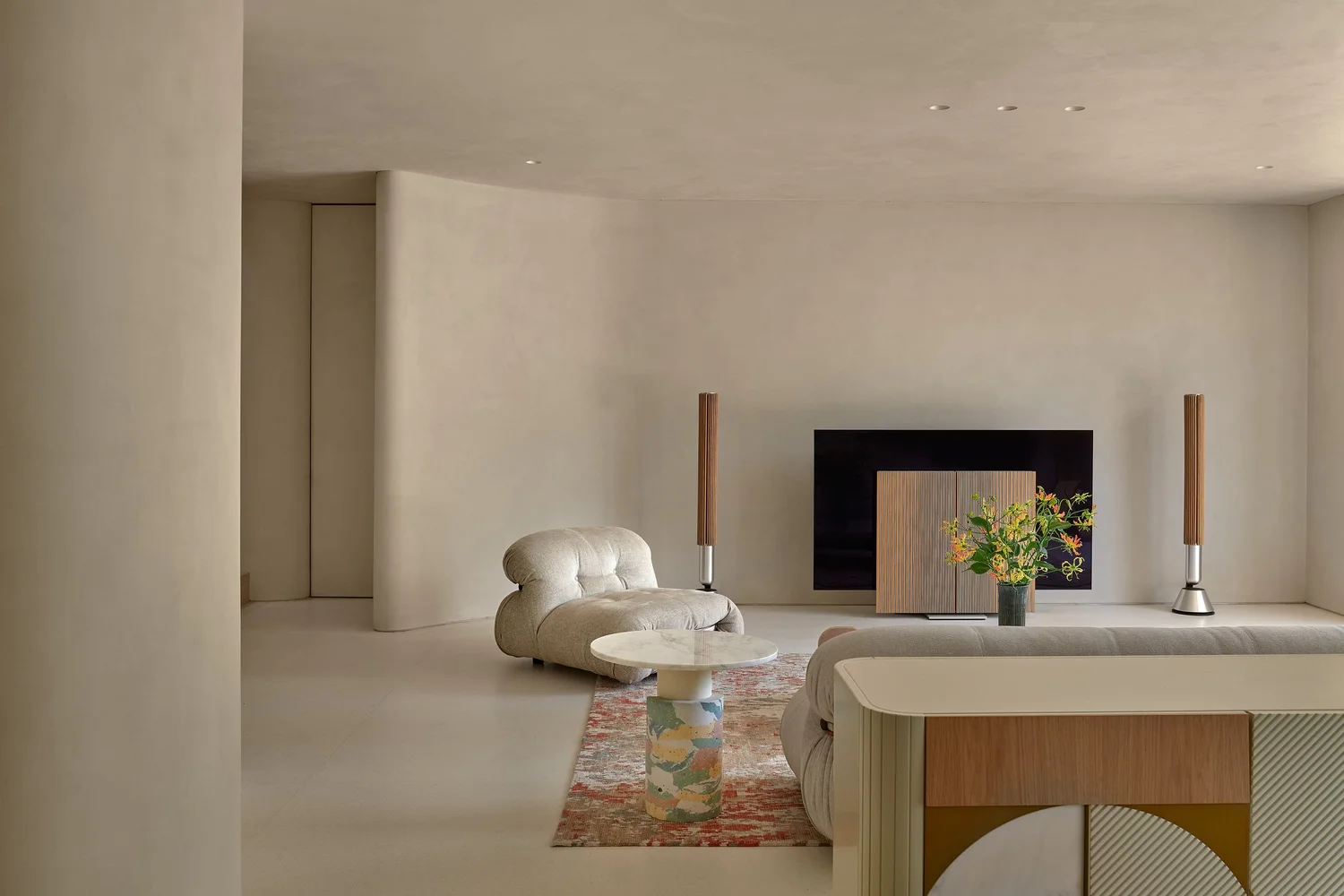
Editor-in-Chief | | | Dossier | | The List | | Take Note | | The monthly briefing from Design Anthology's editors on the most interesting things to see, places to go and books to read | | | Tropical Retreats by Iker Zuniga, Lannoo Publishers | | Book | | Bali | | | | Authored by Spanish photographer Iker Zuniga, Tropical Retreats is an intimate anthology of Bali's residential landscape. The monograph moves beyond the typical travelogue to explore how architecture becomes a vehicle for self-expression, featuring both established studios like Ibuku and Studio Jencquel, and the personal sanctuaries of collectors. It captures a dialogue with nature, illustrating how diverse creatives reinterpret local vernacular to define their own senses of home within the island's lush environment. | | | Tokyobike Porter | | Bicycle | | Tokyo | | | | Known for bicycles that prioritise the joy of the ride, Tokyobike has expanded its philosophy with the release of the Tokyobike Porter, its first electrically assisted cargo model. The Porter is designed to navigate the nuances of urban life, featuring a substantial front carrier for groceries or gear while maintaining the brand's signature slender silhouette. With a low centre of gravity and a length tailored to narrow streets, it transforms the chore of transporting heavy loads into a breezy, stable extension of daily leisure. | | | Libertario Coffee Roasters | | Cafe | | Delhi | | | | In Delhi's Greater Kailash 2, Libertario Coffee Roasters offers a refreshingly polished take on the city's evolving cafe culture. Founded by Miguel Villaquiran and Arushi Mehra, the space is designed by Aayushi Malik to break away from typical cafe tropes. The interiors are elegant but industrial, utilising varied finishes of stainless steel — brushed, polished and chromed — alongside a reflective ceiling that amplifies the volume. Softened by micro-concrete surfaces and striking blue tiling, the venue feels immersive and international. Images by Avesh Gaur | | | Turntable, Hermès | | Record Player | | Paris | | | | Hermès elevates the audiophile's ritual with a turntable that's as much a sculptural object as it is a feat of engineering. The design marries the warmth of Swift calfskin with the cool precision of mirror-polished chrome, creating a refined tactile contrast. Subtle details abound, from the house seal on the dust cover to control buttons inspired by vintage cameras. Available in four leather colourways, including a vibrant limoncello, this piece elevates the act of playing some vinyl. | | | Lemaire Wukang | | Store | | Shanghai | | | | Housed within a 1930s residence in Shanghai's Xuhui district, the new Lemaire flagship is in some ways an invitation to slow living, revealing layers of the brand's collections at an unhurried pace. The space occupies a villa originally designed by architect Dong Dayou, preserving its domestic warmth to display collections alongside books and music. Artistic directors Christophe Lemaire and Sarah-Linh Tran have orchestrated a dialogue between East and West, in which a Spanish-style facade gives way to interiors mixing Bossche School and Viennese Succession furniture with locally sourced vintage pieces. | | | Urban Bake Gangnam | | Bakery | | Seoul | | | | This small Seoul bakery, designed by Seuk Hoon Kim and his team at Studio Eccentric, draws inspiration from the owner's and designer's shared memories of New York neighbourhood bakeries. The design avoids overly polished decor, focusing instead on raw surfaces and clean lines to create a quiet corner shop atmosphere. Minimal ornamentation and warm lighting ensure the bread and sandwiches remain the true focal point. Images by Jisang Chung | | | Futureobjekt | | Event | | Melbourne | | | | As part of the Melbourne Art Fair, the programme introduces Futureobjekt, a dedicated 600-square-metre salon celebrating the blurring lines between functional design and art. Described as a fair within a fair, the inaugural showcase features more than 20 of Australia's most compelling creators, including Adam Goodrum, Volker Haug Studio (pictured right), Adam Cornish, Tom Fereday and Christopher Boots. Beyond mere display, the sector — framed by a specialised conversations series — aims to provoke dialogue on craft and collectability. | | | Home | | Open Season | | Chongqing | | Design firm One Soul merges nature and creativity in the Chongqing home studio of co-founder Shan Yu | | | For many designers, work and play are interchangeable. During the pandemic, Shan Yu and his wife discovered the importance of nature to their daily lives. They invested in a 130-square-metre house surrounded by a sprawling 180 square metres of garden, transforming it into their sanctuary within Chongqing. 'The house is located in the Liangjiang New Area of Chongqing: a mountain city,' elaborates Yu. 'The trees that used to be here have now been replaced by buildings, turning it into a forest of steel. We are just maintaining ourselves in this steel forest, returning to our original state. It's like going home.' | | | As Yu travels extensively for design projects throughout China, time at home is precious. 'We're both designers and started our business together,' he explains. 'We don't really like working in an office — we mostly think and work at home. Here, we have online meetings and assign tasks to our employees remotely. We also take care of plants, practice the cello, build models… There's no fixed schedule: if we have an idea, we get to work. If not, we just relax and play. We also often invite friends to our home or garden for meals — they're envious of our lifestyle!' The house is dominated by an open area featuring a studio, bathroom, casual kitchen and lounge, with the latter two facing woodlands accessible via sliding shoji screens. 'The garden view can be seen three different ways: fully open, hazy through closed shoji, and just the top of greenery through lowered shoji,' notes Yu. Spanning the length of the house is the bedroom suite with dressing and sleep areas separated by a bathroom that leads to a wooden cabin with soaking tub. The cabin effectively truncates the woodland garden to the north and front yard to the south, acting as a creative wellspring. | | | 'Nature puts me in a good state, nourishing me and allowing me to consider things more calmly,' muses Yu. 'While working on our home garden, a pair of birds came and have been living with us ever since. I felt a special connection with them, so I designed a chandelier and coffee table inspired by their forms. My wife's wardrobe in the dressing room is also made into a plant mural, like the reflection of the garden.' Over time, the two have filled the house with their favourite things, forming a curated who's who of design history, including Dieter Rams classics, Bang & Olufsen audio, a Ligne Roset Kashima sofa and a Longhi Rodica chair, which they share with two kittens and a puppy. 'Rather than imposing our preferences on them, we prefer to make our home and garden more open, letting the animals find places they like,' says Yu. 'Like me, the home is still in its youth. It keeps changing as I grow, and each stage of my life is accounted for through my home.' Text by Rebecca Lo
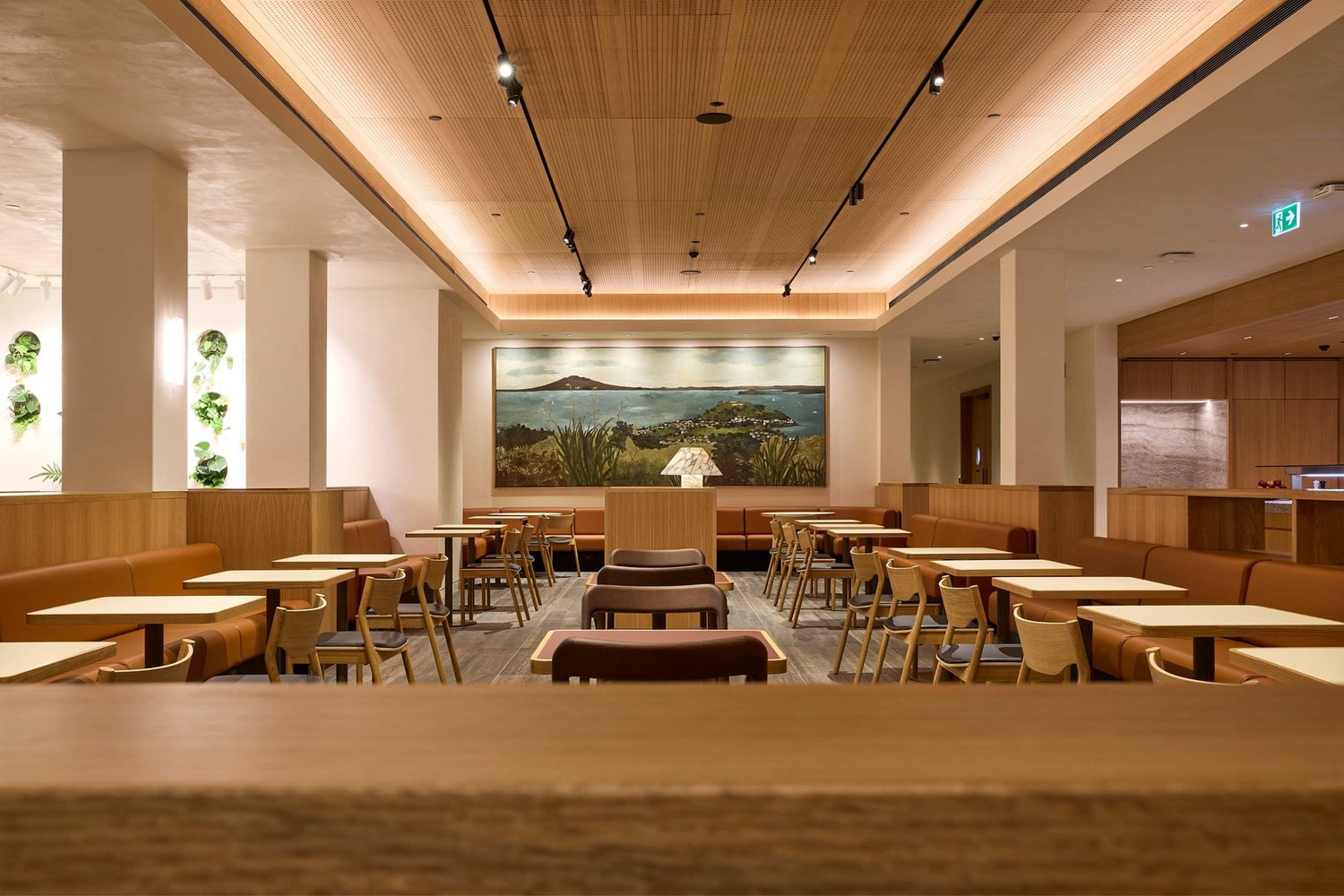
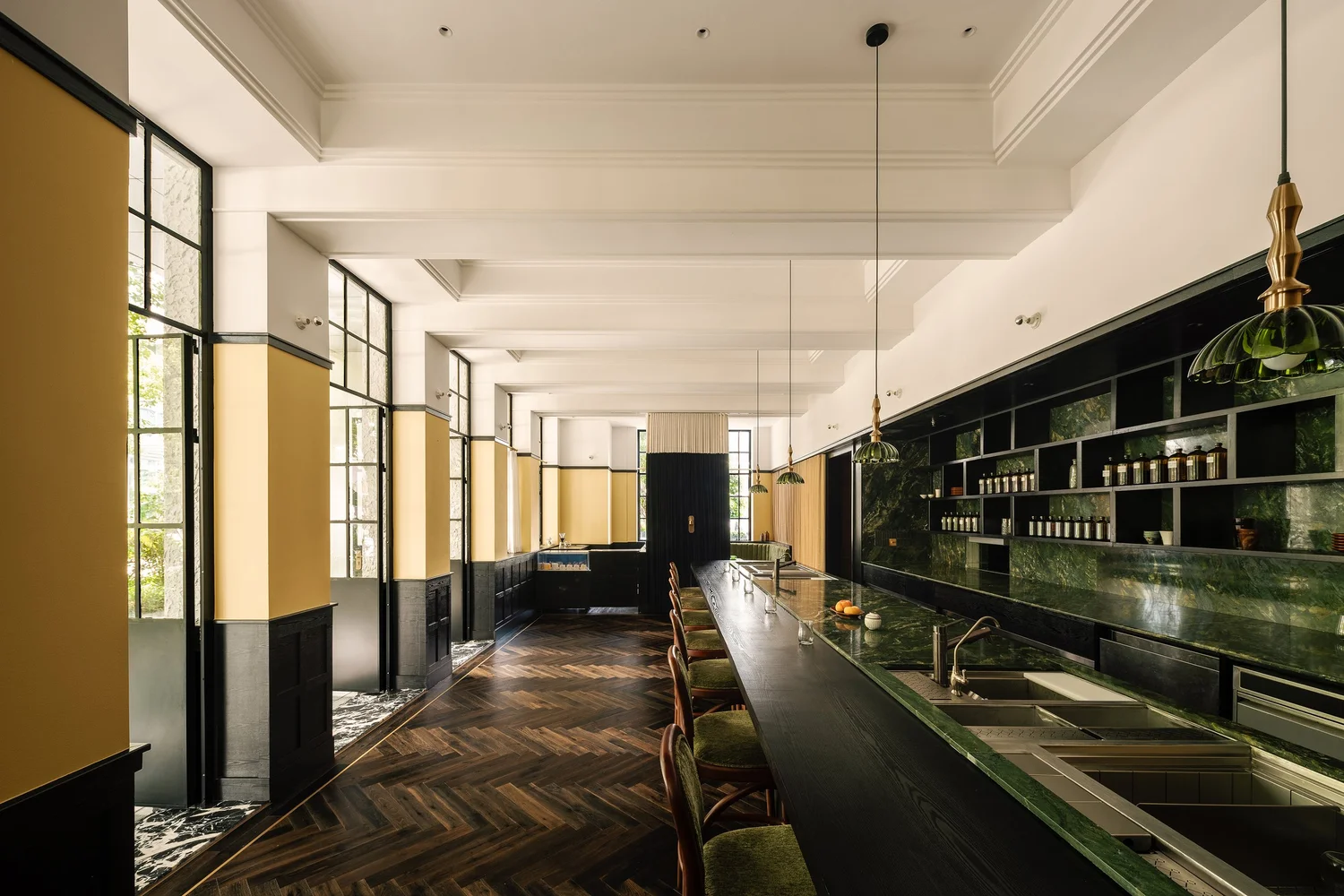
Images by Liu Wen | | | Dossier | | Second Season | | Singapore | | Nice Projects' renovation of Odette is a sensorial commingling of theatre, tempo, nature and art | | | If the original Odette projected the lightness and playful spirit of spring, its refreshed iteration ten years on evokes a meditative autumn day. Located in Singapore's National Gallery, chef-owner Julien Royer's three-Michelin-starred, modern French institution has just completed a significant reimagining by designer Sacha Leong of Nice Projects with his co-founder Simone McEwan. The former had first designed the restaurant while working at Universal Design Studio. Compared to the first design, when he needed to create a spatial identity from scratch, Leong had to be more strategic about changes. 'People have come to love the interior, which forms a big part of the DNA of Odette,' he says. 'We had to make sure we kept those bits, but also created a warmer and even more considered space.' | | | Previously, there were pale pinks and sharp whites, accented by potted palms. Singaporean artist Dawn Ng's mobile-like installation, A Theory of Everything (2015), floated in the void of the former Supreme Court's quotidian registration room, abstracting the chef's ingredients onto oak, polyfoam, brass and paper. This visual narrative continues in Odette's facelift, which has improved functionality and introduced a more subdued palette of apricot and vanilla. Rather than entirely erasing its past, Leong retained familiar elements to preserve intimacy in the tall space. Wall panels are no longer blush-coloured, but feature patterning from four veneer types evoking topography or painterly strokes, depending on how one perceives them. | | | 'The veneers were carefully matched and laser-cut, and then pieced together across all the panels,' Leong explains. So, while looking effortless, they were challenging to make, like Royer's adroit manipulation of flavours and textures expressed as table art. There were alterations to the layout too: each dining group now has its own personal, cosy banquette, and a dedicated private dining room was introduced. The kitchen has also now become a theatrical sideshow, framed by the building's columns. | | | Likewise, the new entrance design celebrates spatial storytelling, procession and rhythm. 'It was important to have the greeter facing you straight on, and centred between the historic front doors,' avers Leong. 'It also felt right for this warm, very direct welcome back by Dawn's impressive new artwork. There's a sense of discovery once the guests pass through the sheer curtains to the main dining area.' Ng's art, positioned centrally between the arched doorways, is interwoven with the building's interior architecture. Titled Winter, Spring, Summer or Fall (2025), it consists of four conjoined 'platelets' of pulverised paper, with colours drawn from a seasonal palette of botanical and culinary ingredients — petal, root, leaf and spice — providing a backdrop to the reception table, like a tableau within a proscenium. Their colours and textures, gleaned from Royer's seasonal palette of culinary ingredients, echo the natural world. They are 'maps of wind currents and vegetal textures that drift and coalesce in a tapestry of time,' says Ng, and they serve as her poignant whisper to guests as they enter with anticipation, and leave, awoken and satiated. Text by Luo Jingmei
Images by Edvinas Bruzas, courtesy of Nice Projects | | | Wanderlust | | Coming Home | | Dali | | In place of overt luxury, Signyan Design's Qing Shan Hot Spring embraces rural authenticity and back-to-basics simplicity — without sacrificing modern comfort | | | To complement Qing Shan 49, Signyan Design's studio-run retreat, founder Ke Xie sought out a separate site in the largely untouched, thermally rich village of Xiashankou for a dedicated hot springs hideaway. Reached via a roughly 40-minute chauffeured drive, the spa occupies a historic courtyard dwelling, as integral to the experience as its wider surroundings. 'We wanted the hot spring villa to feel more like the courtyard of a long-time resident, where guests can still sense the place as it once was,' Xie says, recalling long, reflective site visits that led to this outcome. 'Beyond studying the physical space, it was even more important to feel it and imagine.' | | | With a conservation-led approach, the project keeps an abundance of original imprints, from the entrance gate and wall paintings to the stonework, doors and handles. Traces of wear and time are also present throughout, helping to build a narrative, including windows with weathered glass panes and remnants of earlier paint finishes on rammed-earth walls. Beyond introducing heated pools into the layout, Xie limited significant interventions to opening key interior spaces into double-height volumes and replacing courtyard-facing walls with glazing to increase transparency. | | | New materials were also introduced sparingly, either reclaimed locally — like roof tiles sourced from nearby farmhouses — or selected for minimal intrusion. The latter include black stone flooring, firebrick and terracotta surfaces, polycarbonate panels and ironwork fabricated on site. Decor, likewise, keeps its voice low. It nods to the rustic through objects once used by former residents, placed alongside antiques and artworks from Xie's own Yiji Collection, and intermittent paper lighting by the likes of Isamu Noguchi. | | | Xie and his team worked closely with local craftspeople and the home's former owner, himself part of the construction trade, to anchor the project in authenticity. 'Having worked within this landscape for many years, they brought deep, practical knowledge and an aesthetic sensibility rooted in nature and time,' he notes. Such sensitivity extends to other aspects that define the experience, among them the planting, preserved or introduced — all local species that carry the scents of agrarian life — and the fare, considered with equal care to celebrate local flavours. 'I hope those who visit feel a sense of coming home, as if returning to the Dali of twenty years ago, or to an old childhood dwelling,' says Xie. Text by Tomás Pinheiro
Images by Iker Zuniga | | | Magazine | | | | Issue 41 | | Our Latest Issue | | This issue is rooted in the idea of permanence, exploring design for an uncertain world, with homes, spaces and objects built from concrete, steel and stone, yet shaped with care and a sense of softness. We explore what it means to build with both weight and warmth, from Tadao Ando's new Naoshima museum to grounded residences in Tokyo, Hong Kong, Singapore and Perth, and a special section on Indonesia's creative spirit. | | | | | | | | | | | | |




Commentaires
Enregistrer un commentaire
Thank you to leave a comment on my site