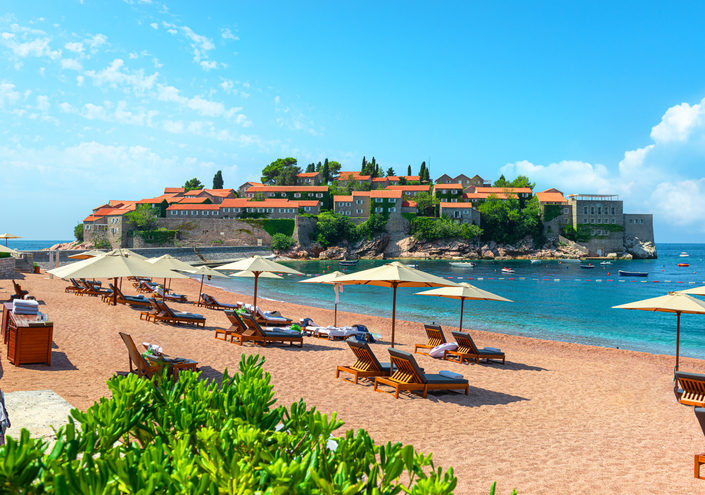
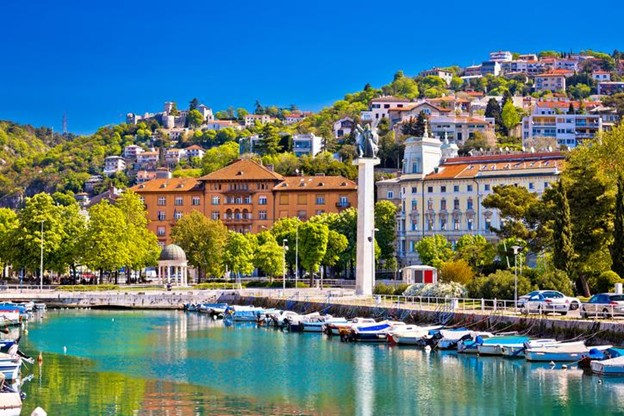
| We’d hiked through untouched forest, then wandered through a winter wonderland teeming with twinkling Christmas lights and music. It was the kind of day that reminded me why I keep returning to this corner of Europe. Set along one of Europe’s most beautiful stretches of coastline, this country has long been a favorite destination for travelers from nearby nations. More recently, it has caught the attention of visitors from farther afield—not only as a vacation spot, but as somewhere they might linger for weeks or months at a time. The appeal isn’t difficult to understand. There are historic cities, island-dotted waters, forested mountains, lively markets, café culture, and a relaxed pace of life. For longer-term visitors, relatively affordable everyday expenses can add to the attraction. One American couple we met decided to put down roots in a coastal city after contemplating a move abroad. The retired teacher and her husband say they immediately fell for the fresh green market, plentiful bakeries, convenient city buses, café culture, and the simple pleasure of having their own butcher and egg vendor. “We never need more than our pension for our living expenses,” she says, adding that housing, food, cellphone service, and various other costs are lower than what they had been paying in Las Vegas. “There is no place in Las Vegas that I could purchase a completely furnished home for €70,000 ($75,900),” she says of their compact apartment, which has sea views. She adds that long-term rentals can sometimes be found from around €500 ($550) per month. Healthcare can also be considerably more affordable than in the US. “Back in the States, I had some dental implant work that needed to be repaired. What had cost me over $20,000 in Las Vegas cost me €8,000 ($8,700) here,” she says. Like them, Shawn and I have become enamored with this part of Europe. In total, we’ve been exploring the country in seasonal bursts for eight years. We stay for limited periods and usually visit during the off-season, when lodging costs are lower and there are hardly any tourists. For travelers considering longer stays, immigration and residency rules require careful planning. Short-term visitors may face limits on how long they can remain within the wider European travel zone, while longer-term residence options depend on individual circumstances. Some countries in the region have also introduced residence programs aimed at remote workers, opening another possibility for those who want to experience life here beyond a typical vacation. Or perhaps, like us, you’ll choose to explore on a part-time basis. Either way, there’s something special about being able to settle into the rhythm of daily life rather than simply passing through. If You Love Being by the SeaThe coastline here is exquisite, with remarkably clear water and a seemingly endless succession of islands, coves, beaches, and fishing villages. Only a fraction of the offshore islands are inhabited, yet you could spend a lifetime exploring them. Ferries connect mainland ports with inhabited islands throughout the year, with additional catamarans and private boats operating during the busy tourist season. Journeys can be surprisingly inexpensive, particularly for passengers traveling without a car. Back on the mainland, the architecture of coastal communities ranges from centuries-old stone centers to sleek modern resorts. Some towns brim with enchanting pale-stone buildings, narrow lanes, bell towers, and fortified walls. Elsewhere, contemporary villas and hotels have sprung up along dramatic stretches of coast. Despite those differences, the aquamarine sea, rocky shoreline, and dense pine forests provide a unifying backdrop. The beaches and coves are exceptionally beautiful, and many have earned international recognition for the cleanliness of their water and facilities. Swimming spots tend to be pebbled or rocky rather than sandy, which helps give the water its extraordinary clarity. Before diving in, however, it’s wise to watch for spiky sea urchins. They may be considered a delicacy, but they’re considerably less appealing underfoot. Shawn and I have gone swimming as early as May and as late as October, well outside the peak tourist season. We’ve swum in quiet island coves, beneath the walls of ancient towns, and in protected bays overlooked by imposing mountains. And that, perhaps, is what keeps drawing us back: the combination of sea, mountains, history, and everyday life. There are places where you can hike through pine forest in the morning, swim in impossibly clear water in the afternoon, and watch fishing boats return beneath a blazing sunset in the evening. I won’t tell you exactly where. For now, that’s part of the magic. |









Commentaires
Enregistrer un commentaire
Thank you to leave a comment on my site