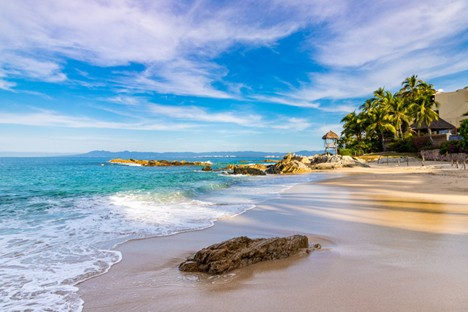
Mike and Tricia Lyman had a problem. The financial crash of 2008 had hit them hard. After struggling for several years in northern Washington state, they could see where things were heading. If nothing changed, debt could swallow their retirement plans. So they began looking south. Their research led them to an idea that seemed almost too good to be true: They might be able to retire well in Latin America for far less than it cost them to live in the United States. There was just one problem. Where? Panama looked tempting. So did Costa Rica, Ecuador, Nicaragua, and Mexico. Rather than choose a country from behind a computer screen, Mike and Tricia decided to do something bold. They would spend a year finding out. This wasn't going to be a whirlwind vacation. The couple wanted enough time in each place to understand what daily life was really like. They began in Panama, renting an apartment in a small mountain town filled with flowers. Then they headed for the coast. In Costa Rica, they spent a month beside Lake Arenal, surrounded by green hills and views of the famous volcano. They followed that with another month near the ocean. Then came Ecuador. They traveled the Pacific Coast from south to north. They explored historic cities high in the Andes, bargained at open-air Indigenous markets, and soaked in hot thermal springs. There was no rush to tick attractions off a list. They had time. And that changed everything. In Nicaragua and Mexico, they found themselves back at the beach. Late afternoons were often spent at sunset happy hours, raising a glass to the strange new life they were building. They also squeezed in side trips to Colombia and Peru, including Machu Picchu. Rainforests. Volcanoes. Beaches. Colonial cities. Mountains. Even Spain and other parts of Europe made it into their year of exploration. But this wasn't just one long holiday. Mike and Tricia were looking for home. The $2,000-a-Month Experiment They also had a firm budget. During that year, the couple spent less than $2,000 a month, not including airfare. For Mike and Tricia, that money wasn't an indulgence. It was an investment. They were learning which places suited them and which didn't. A beautiful beach might be wonderful for a week. But would they enjoy living beside it for years? A mountain town could look perfect in photos. But how would it feel to buy groceries there, get around town, or simply fill an ordinary Tuesday? Slow travel gave them time to find out. Instead of arriving, sightseeing, and leaving, they could settle in. They could shop where locals shopped. Eat at neighborhood restaurants. Learn how much daily life cost. Most of all, they could notice how a place made them feel. And over time, they noticed something else. One destination had become the yardstick for all the others. The Place They Couldn't Forget Mike and Tricia had visited Puerto Vallarta, on Mexico's Pacific Coast, many times before. As their year unfolded, they kept comparing new destinations to it. Eventually, the answer became hard to ignore. "We decided this is where we wanted to stay," Tricia says. So after a year spent searching across Latin America and beyond, they made Puerto Vallarta their home base. Tricia calls it "the absolutely best decision we could have made." The slow-travel experiment had worked. |









Commentaires
Enregistrer un commentaire
Thank you to leave a comment on my site